Monetary Policy. Global Consequences.
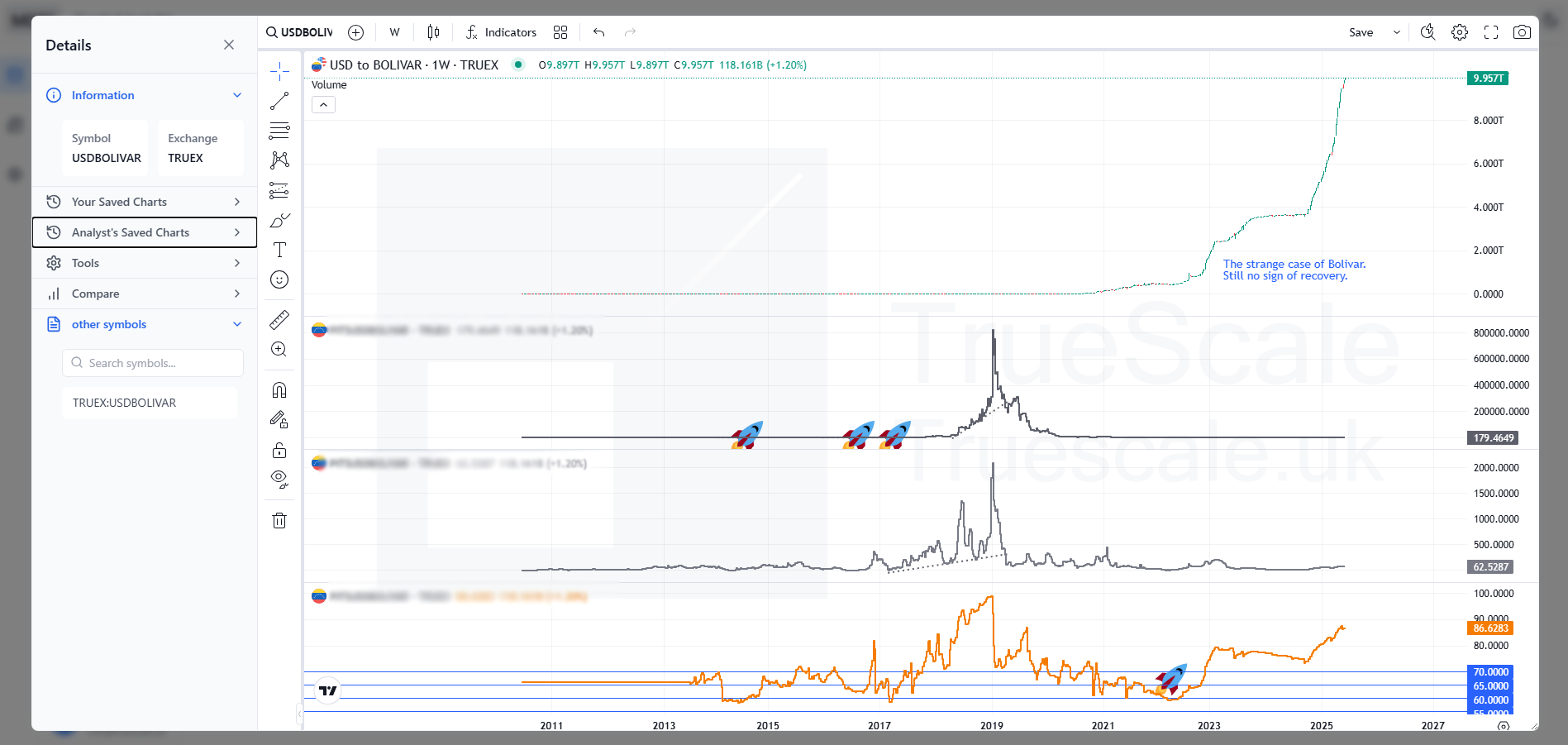
The foundations of many financially distressed economies reveal important lessons about monetary and fiscal policy. Without the global demand associated with reserve currency status, excessive money creation can accelerate the erosion of purchasing power and undermine economic stability.
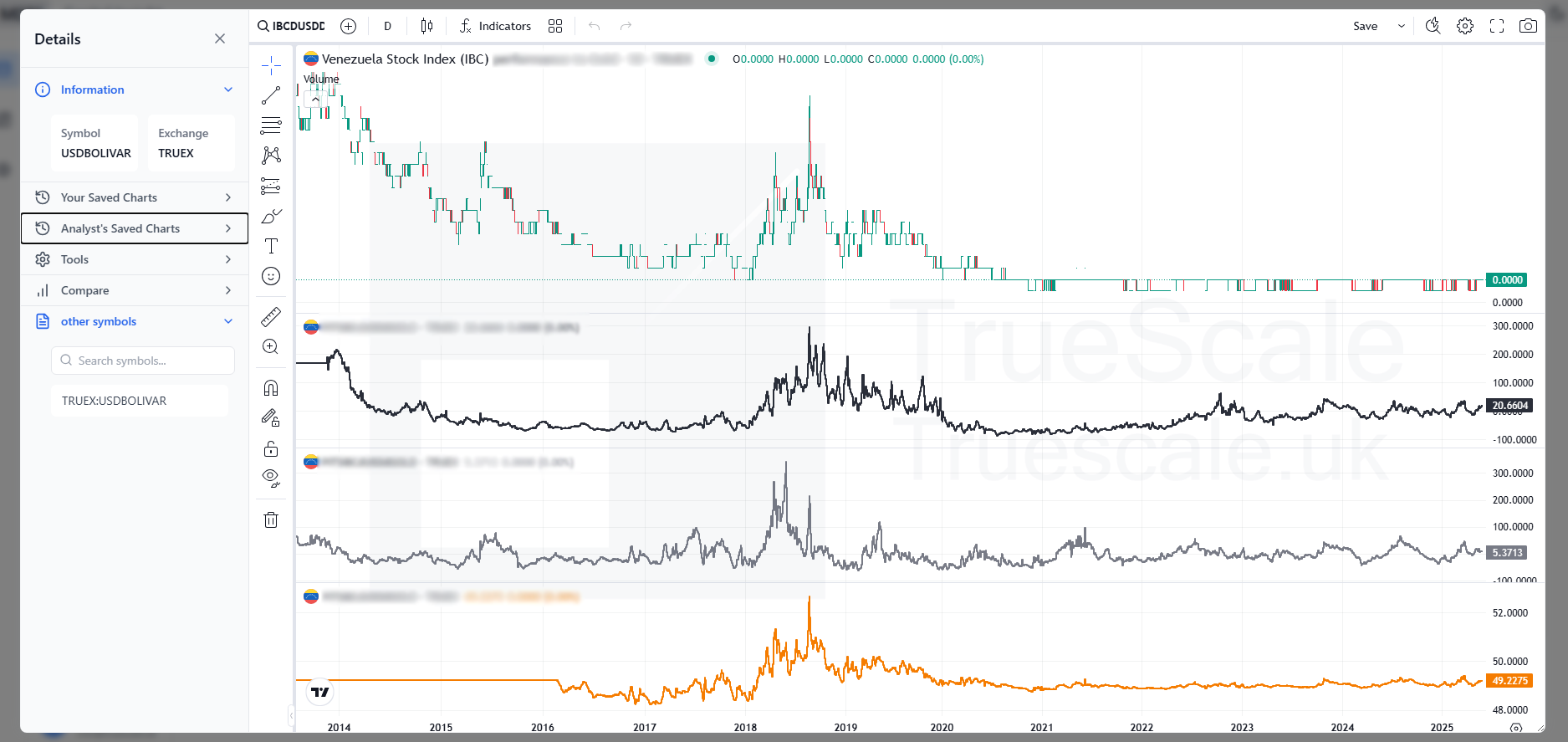
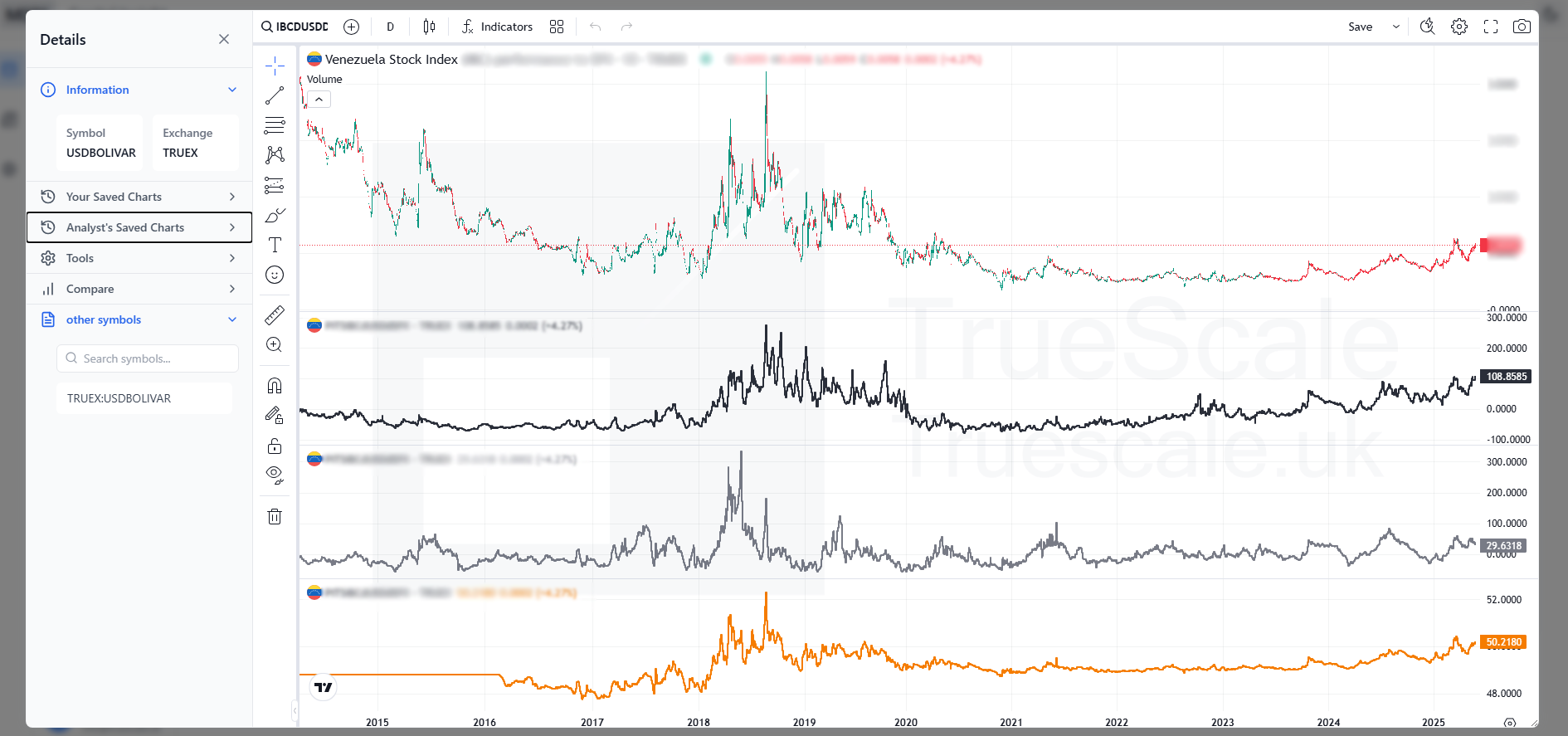
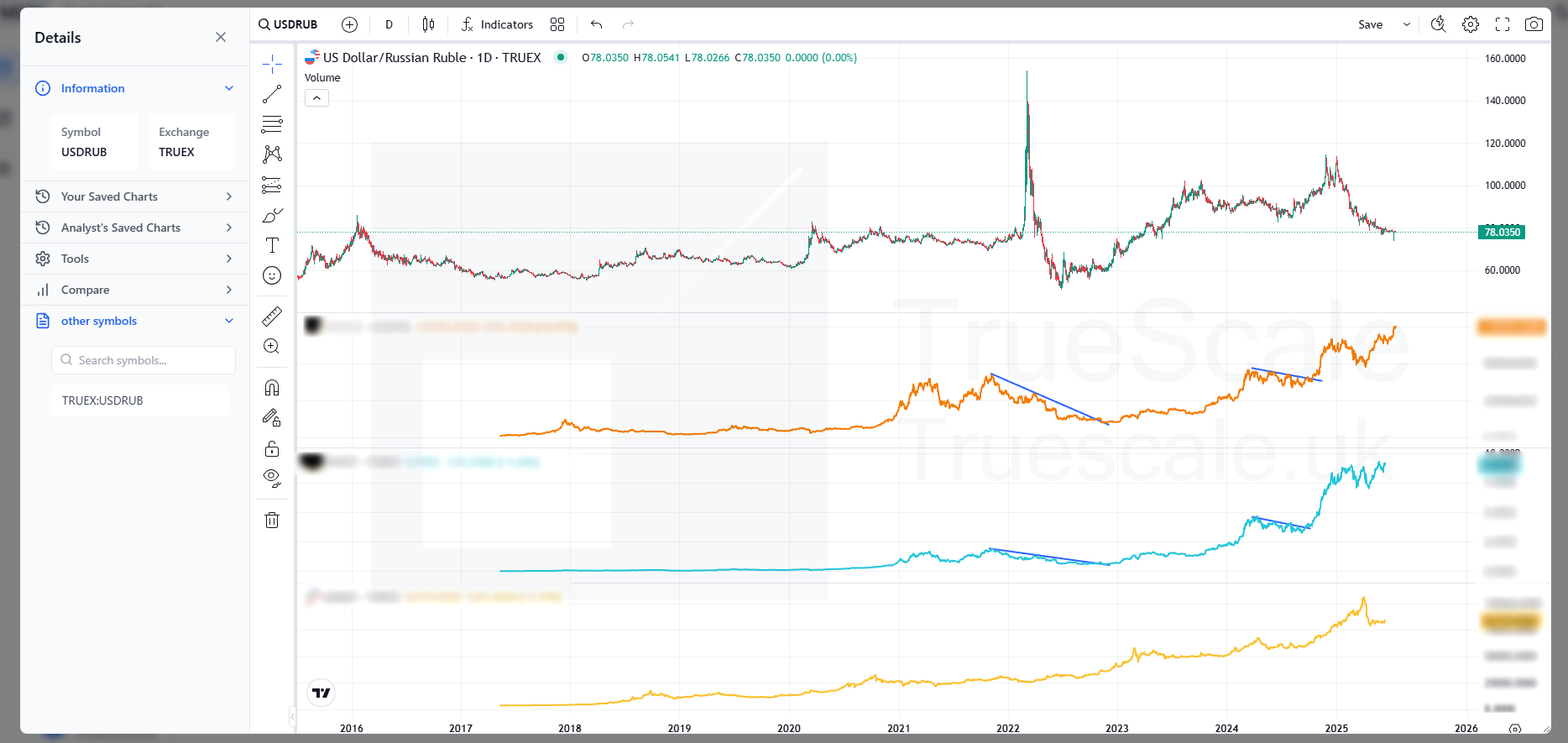
By comparing economies such as Venezuela, Zimbabwe and Russia, we examine how currency issuance, inflation, fiscal decisions and economic policy influence financial conditions. These developments also provide valuable perspectives for analysing the risks facing major Western economies.
All data and analytical materials are exclusive to
“TrueScale Fund, GB” and must not be reproduced or published
without appropriate source attribution. All rights reserved.
Report issues or request data:
[email protected]
Collapsing Economies Tracker.
ANALYSING THE RELATIONSHIP BETWEEN MONETARY POLICY, PURCHASING POWER AND ECONOMIC STABILITY.
- Inflation & Purchasing Power – Examine the erosion of currency value and the impact of sustained inflation on domestic economies.
- Currency & Exchange Rates – Monitor exchange-rate developments and changes in the international value of national currencies.
- Monetary Expansion – Analyse money supply developments and their relationship with inflation and economic stability.
- Economic Conditions – Follow key economic indicators and structural developments across financially distressed economies.
- Comparative Economic Analysis – Compare policy decisions and economic outcomes across different countries and periods.
UNDERSTANDING THE ECONOMIC CONSEQUENCES OF POLICY DECISIONS IS ESSENTIAL TO EVALUATING CURRENCY RISK, PURCHASING POWER AND LONG-TERM FINANCIAL STABILITY.
Explore the economic indicators and analytical models in our Market Data application.