
Understanding the Uncomfortable Truth Behind Bitcoin’s Market Structure
Last week, Michael Saylor delivered a pointed message to Tether and to early Bitcoin holders who rely on USDT as a supposedly dollar-backed token. His statement was simple: if they continue selling and the price slips below $75K, he will sell as well. In other words, he does not intend to be the one left holding the losses.
Shortly after this warning, Bitcoin’s price rallied. But this dynamic is unlikely to hold. Many of the entities distributing coins into the market today are doing so because they urgently need liquidity. They are not motivated by narratives, and they certainly aren’t deterred by public warnings. They are selling to obtain real cash.
Based on current conditions, it’s reasonable to expect a modest upward move into mid-January, followed by another wave of selling pressure. At the same time, Tether’s structural vulnerabilities are becoming increasingly visible, and if present trends continue, a significant depeg, potentially towards $0.23 per token by mid-2026, cannot be dismissed.
We’ve built a track record of identifying when something doesn’t add up, and the narrative that “Bitcoin will change the world” is no exception. The deeper you dig into its underlying mechanics, the more the inconsistencies become impossible to ignore.
And one, critical point: without regulatory clarity and genuine support from the United States, mass adoption simply will not happen. Without that backbone, the industry is fighting a losing battle.
How the Post-2015 Landscape Really Shaped Crypto’s “Adoption”
After 2015, mass Bitcoin adoption did occur, but not in the way the community likes to portray it. Much of this adoption was driven by entities linked to Eastern power structures, which found in Bitcoin a new, unregulated, decentralized instrument that could siphon wealth from Western retail participants and move it eastward.
Before their involvement in crypto, many of these entities operated classic high-yield Ponzi (HYIP) schemes. Crypto, especially Bitcoin paired with a USD-pegged token lacking real reserves gave them a more sophisticated toolset. It enabled the creation of repeated boom-and-bust cycles that could extract liquidity from retail participants without allowing the system to collapse entirely.
The first major execution of this model was on full display in 2017, when most retail buyers purchased near the peak and capitulated at a loss in the following years. As time went on, the operators enhanced the cycle with new instruments: NFTs, altcoins, yield platforms, staking schemes on platforms like Celsius, and countless other derivatives of the original Ponzi architecture.
Retail Is Drying Up, And So Is the Illusion
Today, the crypto market is steadily drying up from retail participation.
People simply don’t have excess capital anymore, and those who previously poured money into crypto are now receiving a very different message from the world around them:
- AI is visibly transforming industries.
- Crypto, after more than a decade of promises, still lags behind.
- Many are questioning whether it’s worth their time, money, or risk.
- Without retail inflows, the music inevitably slows and eventually stops.
October 2025 Was a Warning Shot
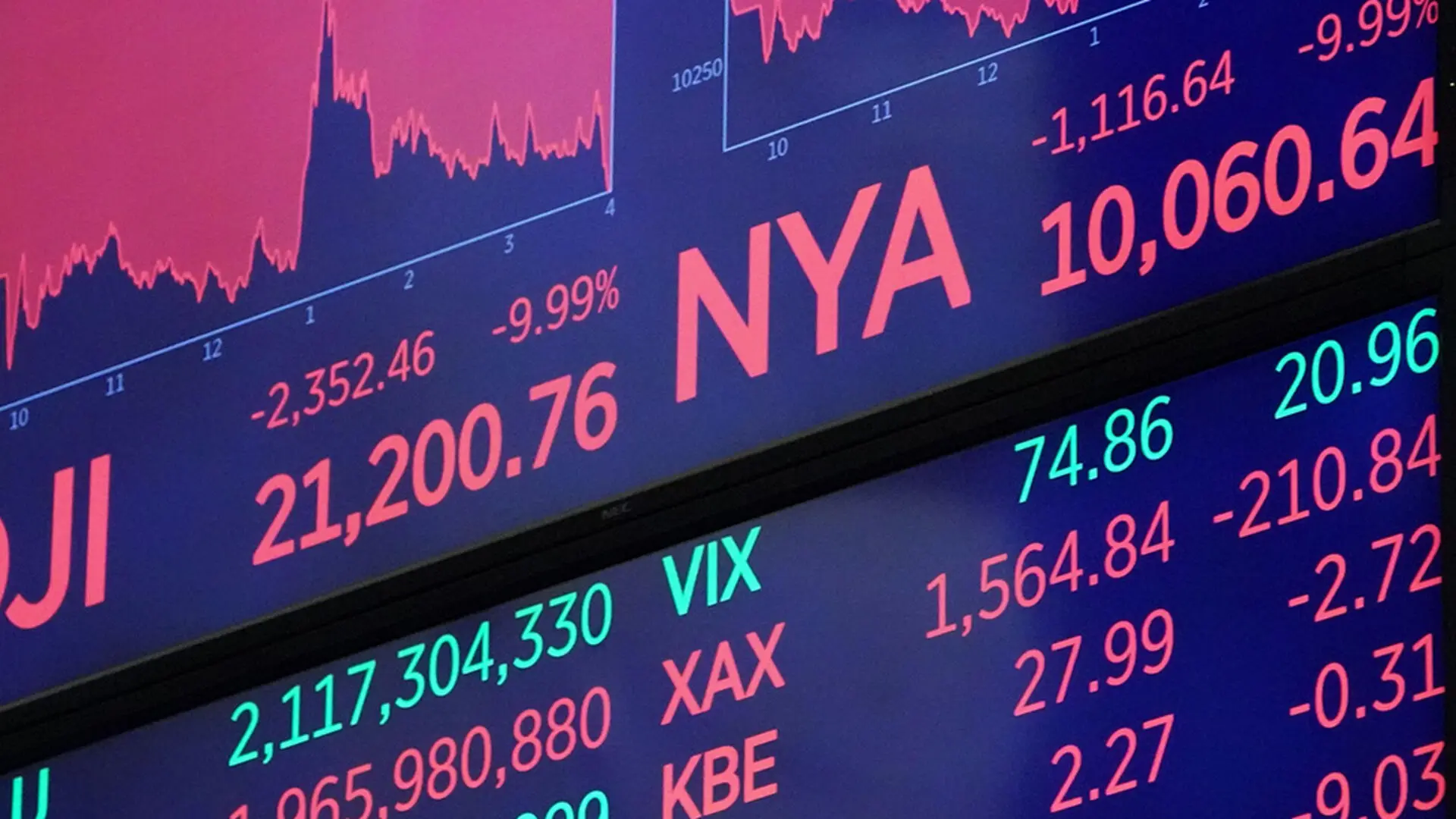
The market’s collision with reality is already underway, beginning with the October crash. That event wasn’t a random glitch. It was the direct result of market makers needing to close futures positions. The fastest way to achieve that was to:
- Sell aggressively into positive retail inflows,
- Trigger cascading liquidations,
- Force retail losses to offset the market makers’ synthetic shorts.
If they didn’t engineer that outcome, they would have been forced to absorb heavy losses from the massive short exposure accumulated over the years to control price and extract liquidity.
These players understand that a final blow-off top is still possible. And they fully intend to sell the remainder of their holdings into that final rush of optimism because they know precisely how these cycles end.
A System Approaching Its Reckoning
The crypto market is now approaching the wall of reality. As liquidity dries up and structural weaknesses become undeniable, many tokens will be repriced far lower than their current valuations suggest. The cycle is entering its final stage.
The past decade saw wave after wave of narratives, innovations, and promises, but beneath all of that, the underlying mechanism remained the same:
A system designed to extract value from retail, wrapped in new narratives each cycle, and protected by the illusion of decentralization.
We are now reaching the point where those illusions can no longer hide the fundamentals.